Business Name: BeeHive Homes of Maple Grove
Address: 14901 Weaver Lake Rd, Maple Grove, MN 55311
Phone: (763) 310-8111
BeeHive Homes of Maple Grove
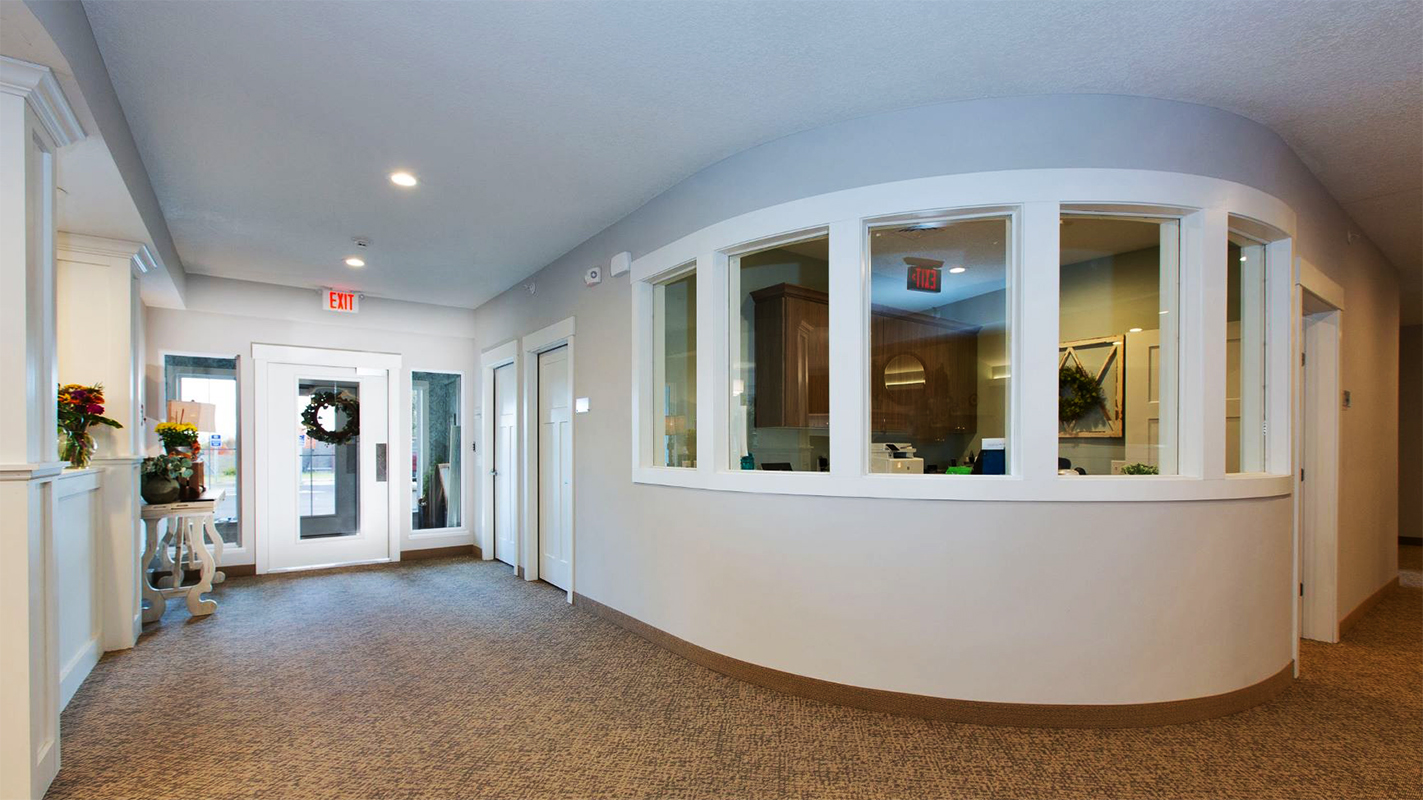
BeeHive Homes at Maple Grove is not a facility, it is a HOME where friends and family are welcome anytime! We are locally owned and operated, with a leadership team that has been serving older adults for over two decades. Our mission is to provide individualized care and attention to each of the seniors for whom we are entrusted to care. What sets us apart: care team members selected based on their passion to promote wellness, choice and safety; our dedication to know each resident on a personal level; specialized design that caters to people living with dementia. Caring for those with memory loss is ALL we do.
14901 Weaver Lake Rd, Maple Grove, MN 55311
Business Hours
Monday thru Sunday: 7:00am to 7:00pm
Facebook: https://www.facebook.com/BeeHiveMapleGrove
Finding the best location for a parent or partner is one of those decisions that sits in your chest. You desire safety, self-respect, and a chance for regular happiness to continue. Whether you are comparing assisted living, a devoted memory care neighborhood, or a short-term respite care stay, a shiny brochure will not inform you what a Tuesday afternoon feels like in that structure. Quality exposes itself in the unscripted minutes: how a caregiver kneels to connect a shoe, how a nurse describes a new medication, how a dining room sounds at 5 p.m. This guide pulls from years of walking the halls, asking hard concerns, and circling around back after move-in to track what in fact mattered.
What quality appears like in practice
The best senior living communities share a few traits that you can observe quickly. Staff know locals by name and utilize those names. Individuals look groomed without appearing infantilized. The entryway smells faintly like lunch or coffee, not disinfectant. Activity calendars match truth, which means you see an art group really taking place, not a schedule taped to a wall while citizens nap in the TV lounge. Households appear and are welcomed easily. When things go wrong, and they do, you see truthful repair: apologies, new plans, follow-up.
Quality also shows up in how the community manages the edges. A fall after hours. A resident who gets nervous at sundown. A lost listening devices that turns mealtimes into guesswork. The difference between a place you trust and a location that keeps you up in the evening typically depends upon how those edges are managed.
Understand the levels of care and what they include
Assisted living, memory care, and respite care overlap but are not interchangeable. Understanding what each usually consists of helps you examine whether a neighborhood's guarantees fit your needs.
Assisted living supports daily life for individuals who are mostly independent however need aid with particular tasks like bathing, dressing, medication management, and meal preparation. You ought to expect 24-hour personnel accessibility, not necessarily 24-hour certified nurses. Care plans are generally tiered and priced appropriately. A common blind area is nighttime support. Ask who reacts at 2 a.m., the number of people are on task, and whether they are awake personnel or on-call.
Memory care is created for people living with dementia. Search for secure style that feels open, not locked down, and shows that satisfies cognitive changes without patronizing grownups. The very best memory care groups understand that behavior is interaction. If a resident speeds, they do not merely reroute; they discover what that pacing says about comfort, discomfort, or incomplete business.
Respite care is a short stay, often 2 to 6 weeks, implied to offer household caretakers a break or aid somebody recover after a hospitalization. It is also a truthful try-before-you-commit option for senior care. Brief stays need to provide the same staffing ratios and activities as longer-term homeowners. A discounted rate with removed services tells you more than you think of the operator's priorities.
Walkthroughs that tell the truth
A tour is a performance. Treat it as a starting point, not a decision. Ask to return unannounced at a different time. Stand quietly in typical areas to see what happens when you are not the center of attention. If you can, visit at a shift modification and throughout a meal. The energy in those windows tells you about culture and systems more than any framed award.
I when visited a senior living neighborhood that showed me a gleaming gym and a photo wall of smiling citizens. When I returned on a rainy Wednesday at 3 p.m., the activity guaranteed on the calendar had been replaced by a film. That may sound fine, however the film was on mute with closed captions too little to check out, and half the room had their backs to the screen. Personnel were kind, not engaged. No scandal there, simply info: this location kept people safe, however life felt thin.
Contrast that with a memory care unit where I arrived throughout a rest period. The lights were dimmed. A staff member was reading poetry softly in a corner for anyone who wanted to listen. A resident roamed near the exit, and a caregiver greeted her with "You constantly wait for your other half right around this time. Let's sit near the window he utilizes." They had a seat all set. It was a small act of attunement, and it informed me a lot.
The staffing reality behind the brochure
Care homes live or die by staffing. Ratios matter, but ratios alone can misguide. You wish to comprehend three layers: who is on the flooring, the length of time they remain used, and how they are supervised.
On the floor, normal assisted living ratios throughout daytime may vary from one caregiver for 8 to 15 residents, tightening up during the night to one for 15 to 25. Memory care typically goes for smaller sized ratios, such as one for 6 to 10 throughout the day and one for 10 to 18 in the evening. These are ranges, not guidelines, and they differ by state. More important is acuity. Ten residents who require minimal aid are not the like 10 who require two-person transfers. Ask how the neighborhood adjusts staffing when skill rises.
Tenure informs you whether the building is a training school or a steady home. Ask, carefully however plainly, the length of time the executive director, head nurse, and the line caregivers have actually been there. A leadership group with years under the exact same roofing can soak up shocks without spinning. High turnover is not immediately a deal-breaker, however it demands a plan. What does the building do to maintain good people? Do they cross-train? Do caregivers have a voice in care strategies, not just tasks?
Supervision shows up in how complex issues are dealt with. If a resident starts refusing medications, who problem-solves? If a family member reports a bruise, who investigates? Request examples of when they altered a care plan due to the fact that something was not working. A medical leader who can talk you through a difficult case without breaching personal privacy is worth gold.
Safety without removing freedom
Safety is the baseline, not the goal. A home that is perfectly safe however joyless is not a place to spend somebody's precious years. On the other hand, falls, elopement, medication mistakes, and infections can have major consequences. Discover the location that deals with security as a platform for living.
Look for easy, concrete indicators. Handrails that are really used. Floorings without glare. Great lighting at bathroom thresholds. Shower rooms with durable seating. Dining chairs with arms for take advantage of. If you see thick carpets, stunning however treacherous, ask why they are there.
Ask about falls. Not if they happen, however how they are managed. An accountable community will be transparent that falls take place. They must describe origin evaluations, not simply occurrence reports. Do they alter footwear, change diuretics, include movement sensors, speak with physical treatment? One small but telling information: whether they offer balance and strength programs regularly, not just in response to an incident.
For memory care, doors need to be protected, but citizens must not feel sent to prison. Roaming paths that loop back are much better than dead ends. Courtyards that are genuinely available keep people in the sun and among living plants, which calms much more effectively than locked lounges.
Health services that match needs
The more intricate the medical image, the more you need to probe how the structure handles healthcare. Some assisted living communities operate conveniently with going to nurses and mobile suppliers. Others have licensed nurses on website around the clock. That distinction matters if your loved one has diabetes with insulin adjustments, cardiac arrest with regular weight checks, or Parkinson's with precise medication timing.
Medication management deserves your focus. Mistakes happen most typically at shift changes and with as-needed medications. Ask to see where medications are stored and how they are charted. Electronic MARs lower mistake rates when utilized well. Ask whether they can administer time-sensitive meds at specific periods or just during set med passes. A resident on carbidopa-levodopa every 3 hours can not wait till the next round. Ask how they handle a resident who consistently refuses meds. "We call the physician" is not a plan. "We assess why, try alternate types, adjust timing around meals, and involve family if needed" reveals maturity.
For hospice and palliative support, consider how the neighborhood works together with outdoors firms. A good partnership simplifies communication: one strategy, one set of orders, no finger-pointing. If staff talk respectfully about hospice, not as an outsider, you have a structure for comfort care when it matters.
Food, hydration, and the genuine test of mealtimes
Meals are the day-to-day anchor in senior living. A great dining program does more than offer choices; it secures self-respect. Try to find adaptive utensils without preconception. Notice whether staff offer cueing for diners who hesitate, or whether plates just sit cooling. The best dining rooms feel unrushed. Individuals complete at their own speed. A resident who prefers to take breakfast in pajamas must have the ability to do that without seeming like an issue to be solved.
Menus ought to flex for culture, preference, and medical requirements. If someone desires rice at every meal, you need a kitchen area that understands rice is not a side meal to trot out on Fridays, it is comfort. Hydration can make or break a hospitalization threat. Inquire about routines to motivate fluids beyond mealtimes: water rounds, flavored options, pops, broths. Look for evidence in the small things. Are cups within reach? Are straws readily available if needed? Are thickened liquids ready properly, not disposed into a glass with a grimace?
Daily life and activities that in fact engage
Activity calendars can check out like an all-inclusive resort, however the evidence is involvement. Genuine engagement begins with personal histories. The favorite task, the music of young their adult years, the time of day someone feels most themselves. For memory care, shows that allows success without testing is key: folding towels by color, sorting hardware, baking from pre-measured active ingredients, music circles where participation can be humming or tapping.
Beware of token events scheduled for marketing, like a petting zoo that visits as soon as a quarter and dominates the pamphlet. Ask what takes place between 2 and 4 in the afternoon, when restlessness can peak. Ask how staff adjust for people who dislike groups. Does the activity director have support, or are they expected to be all over at the same time? The best neighborhoods disperse obligation: caregivers understand how to turn a hallway walk into an activity, not leave engagement to a single person with a cart.
Cleanliness and the odor test
Smell is information. A faint scent of disinfectant in a bathroom is typical. A prevalent odor in a hallway signals either staffing extended thin or ineffective systems. The floorings need to be tidy without being slippery. Furniture should be strong and cleaned. Look at baseboards and vents, which collect what management forgets. Linen closets ought to be stocked. Stained energy spaces must be closed.
Laundry practices impact dignity. Ask what occurs to a preferred sweater that needs hand-washing. Ask whether clothing are labeled and how often things go missing out on. In memory care, personal products are often neighborhood products in practice. A plan to track and change is not optional.

Family communication and the temperature level of trust
You will understand a lot about a building after the first tough call. Even before move-in, request for the mechanics of interaction. Who calls you for a change in condition? How rapidly do they upgrade after an event? Can you speak straight to the nurse on responsibility? Do they text, email, or use a family website? In my experience, neighborhoods that set a predictable cadence of updates earn trust. For example, a weekly note after the very first month, even if uneventful, soothes everyone.
Notice how the team handles difference. If you request a modification and the reaction is protective, expect future friction. If you hear, "Let's try it for a week and reconvene," you have partners. Keep in mind that excellent groups welcome respectful pushback. They understand families see things they miss.
Costs that match the care really delivered
Pricing designs differ. Some neighborhoods provide all-encompassing rates. Others use a base rent plus care level, with add-ons for medication management, incontinence products, escorts, or two-person transfers. Concealed charges sneak in around transport, overnight companions for healthcare facility stays, or specialized diet plans. You are searching for transparency and a desire to design different scenarios. Ask what the last year's typical rate increase has actually been, and whether they cap annual increases.
An individual example: one household I dealt with picked a lower base rate with numerous add-ons, thinking they would pay only for what they used. Within three months, as requirements increased, the bill surpassed a more costly all-encompassing choice by a number of hundred dollars. The less expensive sticker price was an impression. Build a six- to twelve-month projection with the director, including prepared for modifications like a relocation from cane to walker, or the start of incontinence materials, and see how that shifts costs.
Regulations, studies, and what they can and can not inform you
Licensing firms carry out regular studies. In some states, these results are public. In others, you need to ask. Survey outcomes work, however they require context. A shortage for documentation might sound dreadful however signal a one-off paperwork lapse. A pattern of medication errors or failure to investigate occurrences is various and major. Ask to see the last survey and the plan of correction. Watch how leadership discusses it. Do they decrease, or do they show what they changed and how they monitor compliance?
Remember, a perfect survey does not guarantee heat. A middling survey coupled with honest, sustained enhancement can be worth more than a framed certificate.
Moving in and the first thirty days
The first month is an adjustment for everybody. A great community will have a structured onboarding procedure. Expect a care conference within the very first week and again at one month. During those meetings, probe the everyday: Does Mom need two hints to shower or 4? Is Dad eating breakfast or skipping it? Are there emerging patterns of agitation? This is the window where small adjustments prevent larger problems.
Bring a few vital individual products early and conserve the rest for week two. Familiar blankets, photos, favorite mugs, and the best light matter. In memory care, avoid clutter, however consist of sensory anchors. Ask personnel to utilize the name your loved one prefers. If your father is Ed, not Edward, ensure everyone understands. This might sound little, but identity sits in these details.
Signals that it is time to escalate or change course
Even in excellent neighborhoods, circumstances change. Watch for persistent patterns: inexplicable contusions, significant weight-loss, recurrent urinary tract infections, duplicated medication errors, or abrupt changes in state of mind without a matching strategy. File dates and information. Start with the nurse or care director, then the executive director. A lot of issues can be solved internal with clarity and follow-through.
There are times to think about a move. If the building can not meet your loved one's requirements securely, regardless of efforts to adjust care levels, it is kinder to alter settings than to require fit. That might mean stepping up to memory care from assisted living, or shifting to a smaller board-and-care home with higher personnel attention. In advanced dementia with considerable behavioral expressions, a specialized memory care with strong psychiatric support can alleviate everyone.
Memory care specifics: beyond the locked door
Dementia care quality depends upon three things: environment that lowers confusion, personnel who understand the illness's progression, and routines that preserve autonomy. Environments should utilize visual cues. Contrasting colors in between toilet and floor help with depth understanding. Shadow boxes outside spaces with individual memorabilia help homeowners find home. Noise levels must be moderated, with areas for quiet.
Training needs to be continuous, not a one-time module. If you hear expressions like "He is being noncompliant," ask how they interpret the habits. Someone refusing a bath might be cold, ashamed, or scared of water on their face. Methods ought to be adapted: warm towels, handheld shower heads, bathing at a various time of day. If staff can describe how they individualize care, you are most likely in great hands.
Programming ought to match abilities. Early-stage residents might delight in existing occasions conversations with adapted materials. Mid-stage citizens frequently love repetitive, meaningful jobs. Late-stage residents benefit from sensory experiences: hand massage, music familiar from their teenagers and twenties, soft fabrics, easy rhythmic movement. You are looking for a philosophy that says yes to the person, even when the memory states no.
Respite care as a pressure valve
Caregivers stress out silently, then all at once. Respite care offers a release valve, and it can be an exceptional way to check a community. Short stays need to consist of full involvement in life, not a visitor bed in the corner. Pack like you would for a two-week trip, including comfort items, medications, and a one-page profile that surface areas what works and what to avoid. If your mother dislikes eggs however will eat oatmeal with brown sugar and raisins, compose that down. If your partner surprises with touch from behind, make that explicit.
Use respite to examine the building under regular conditions. Visit at various times, request for a quick update mid-stay, and listen to how staff speak about your loved one. Do they reflect back specifics, or generalities? "She liked the garden and chatted with Mark about roses" beats "She had an excellent day."
Culture, not simply compliance
A care home can meet every guideline and still feel hollow. Culture shows in the way personnel speak to one another, not only homeowners. It shows in whether leadership hangs around on the flooring, not just in the office. It shows in whether an upkeep request sticks around. Ask the receptionist how long they have actually existed and what they like about the structure. Ask a maid the same. Ask anybody what happens if someone calls out ill. Their responses sketch culture more precisely than a mission statement.
I keep in mind an assisted living structure where the maintenance lead had actually been there 14 years. He understood every squeaky hinge and every family's story. When a resident who liked to tinker moved in, the maintenance lead reserve an early morning weekly to "fix" small products together. That casual program did more for the resident's sense of function than any set up activity.
A compact checklist for tours and follow-up
- Observe staffing patterns and engagement at two various times, consisting of one night or weekend visit. Ask specific questions about falls, medication timing, and how care strategies change with needs. Taste a meal, watch cueing, and check for hydration regimens beyond the dining room. Review the most recent survey and strategy of correction, and ask about turnover and personnel tenure. Clarify the pricing model with a 6- to twelve-month forecast based upon most likely changes.
Use this list lightly. Your judgment about in shape matters more than ticking boxes.
When sufficient is in fact good
Perfection is an unfair standard in elderly care. People care for people, and that means irregularity. You are searching for a place that handles the regular well and the remarkable with honesty. Where staff feel safe to report errors and empowered to fix them. Where your loved one is understood, not managed. Where Tuesday afternoons have texture: a crossword half-finished, a corridor chat, a nap in a spot of sun.
Assisted living, memory care, respite memory care care, all sit under the bigger umbrella of senior care. The right option depends upon requirements today and a truthful take a look at the curve ahead. In the very best senior living neighborhoods, individuals do not vanish into a system. They join a household. You will feel it when you find it. And once you do, remain included. Visit. Ask questions. Bring a preferred pie for a personnel break. Quality is not a moment. It is a relationship, constructed gradually, with care on both sides.
BeeHive Homes of Maple Grove provides assisted living care
BeeHive Homes of Maple Grove provides memory care services
BeeHive Homes of Maple Grove is a memory care home for seniors
BeeHive Homes of Maple Grove provides respite care services
BeeHive Homes of Maple Grove offers 24-hour support from professional caregivers
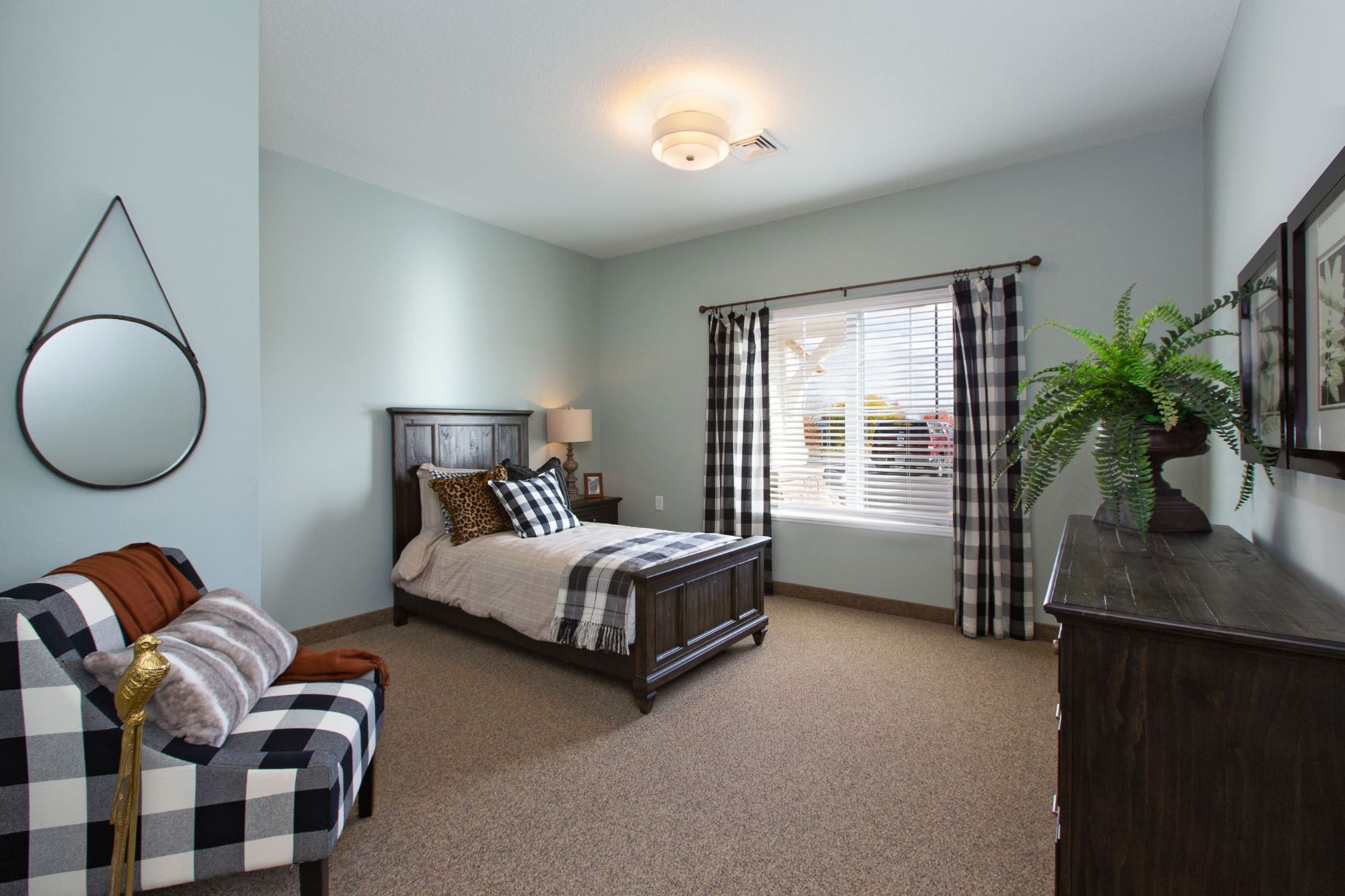
BeeHive Homes of Maple Grove offers private bedrooms with private bathrooms
BeeHive Homes of Maple Grove provides medication monitoring and documentation
BeeHive Homes of Maple Grove serves dietitian-approved meals
BeeHive Homes of Maple Grove provides housekeeping services
BeeHive Homes of Maple Grove provides laundry services
BeeHive Homes of Maple Grove offers community dining and social engagement activities
BeeHive Homes of Maple Grove features life enrichment activities
BeeHive Homes of Maple Grove supports personal care assistance during meals and daily routines
BeeHive Homes of Maple Grove promotes frequent physical and mental exercise opportunities
BeeHive Homes of Maple Grove provides a home-like residential environment
BeeHive Homes of Maple Grove creates customized care plans as residents’ needs change
BeeHive Homes of Maple Grove assesses individual resident care needs
BeeHive Homes of Maple Grove accepts private pay and long-term care insurance
BeeHive Homes of Maple Grove assists qualified veterans with Aid and Attendance benefits
BeeHive Homes of Maple Grove encourages meaningful resident-to-staff relationships
BeeHive Homes of Maple Grove delivers compassionate, attentive senior care focused on dignity and comfort
BeeHive Homes of Maple Grove has a phone number of (763) 310-8111
BeeHive Homes of Maple Grove has an address of 14901 Weaver Lake Rd, Maple Grove, MN 55311
BeeHive Homes of Maple Grove has a website https://beehivehomes.com/locations/maple-grove/
BeeHive Homes of Maple Grove has Google Maps listing https://maps.app.goo.gl/n99VhHgdH879gqTH8
BeeHive Homes of Maple Grove has Facebook page https://www.facebook.com/BeeHiveMapleGrove
BeeHive Homes of Maple Grove won Top Memory Care Homes 2025
BeeHive Homes of Maple Grove earned Best Customer Service Award 2024
BeeHive Homes of Maple Grove placed 1st for Senior Living Memory Care Communities 2025
People Also Ask about BeeHive Homes of Maple Grove
What is BeeHive Homes of Maple Grove monthly room rate?
The rate depends on the level of care that is needed. We do an initial evaluation for each potential resident to determine the level of care needed. The monthly rate is based on this evaluation. There are no hidden costs or fees
Can residents stay in BeeHive Homes of Maple Grove until the end of their life?
Usually yes. There are exceptions, such as when there are safety issues with the resident, or they need 24 hour skilled nursing services
Does BeeHive Homes of Maple Grove have a nurse on staff?
Yes. We have a team of four Registered Nurses and their typical schedule is Monday - Friday 7:00 am - 6:00 pm and weekends 9:00 am - 5:30 pm. A Registered Nurse is on call after hours
What are BeeHive Homes of Maple Grove's visiting hours?
Visitors are welcome anytime, but we encourage avoiding the scheduled meal times 8:00 AM, 11:30 AM, and 4:30 PM
Where is BeeHive Homes of Maple Grove located?
BeeHive Homes of Maple Grove is conveniently located at 14901 Weaver Lake Rd, Maple Grove, MN 55311. You can easily find directions on Google Maps or call at (763) 310-8111 Monday through Sunday 7am to 7pm.
How can I contact BeeHive Homes of Maple Grove?
You can contact BeeHive Homes of Maple Grove by phone at: (763) 310-8111, visit their website at https://beehivehomes.com/locations/maple-grove, or connect on social media via Facebook
You might take a short drive to CRAVE Food & Drink Maple Grove. Crave American Kitchen & Sushi Bar offers diverse menu options that accommodate assisted living and elderly care needs during memory care and respite care dining visits.